

Some ingredients stand out not because of added flavors or blends, but because of the ingredient itself. Roselle hibiscus tea is one such example—made from the calyx of the roselle plant (Hibiscus sabdariffa), known for its deep red color, naturally tangy taste, and refreshing character. It is simple, plant-based, and easy to include in everyday routines. At 79 Degree, the focus is on preserving that simplicity—using whole dried roselle calyces, with minimal processing, so the ingredient stays as close to its natural form as possible.
🌿 What Is Roselle Hibiscus Tea?
Roselle hibiscus tea is prepared by steeping dried calyces of the roselle plant in water.
The calyx is the outer fleshy structure surrounding the flower, and it is the part responsible for:
the natural deep red color
the tangy flavor profile
and most of the beneficial plant compounds
Once dried, these calyces release their vibrant color and refreshing taste during brewing, creating a bright herbal infusion that feels both light and functional.
🌱 What Makes Roselle Calyx Unique?
The roselle calyx naturally contains compounds that contribute to both its flavor and wellness value:
Anthocyanins – natural pigments responsible for the rich red color and antioxidant activity
Organic acids – including hibiscus acid and citric acid, which create the naturally tangy taste
Polyphenols – plant compounds associated with overall cellular wellness
Vitamin C – supports general immune function
These compounds are sensitive to excessive handling and processing. Keeping the calyx whole helps maintain its natural balance, flavor clarity, and visual richness.
💚 Benefits of Roselle Hibiscus Tea
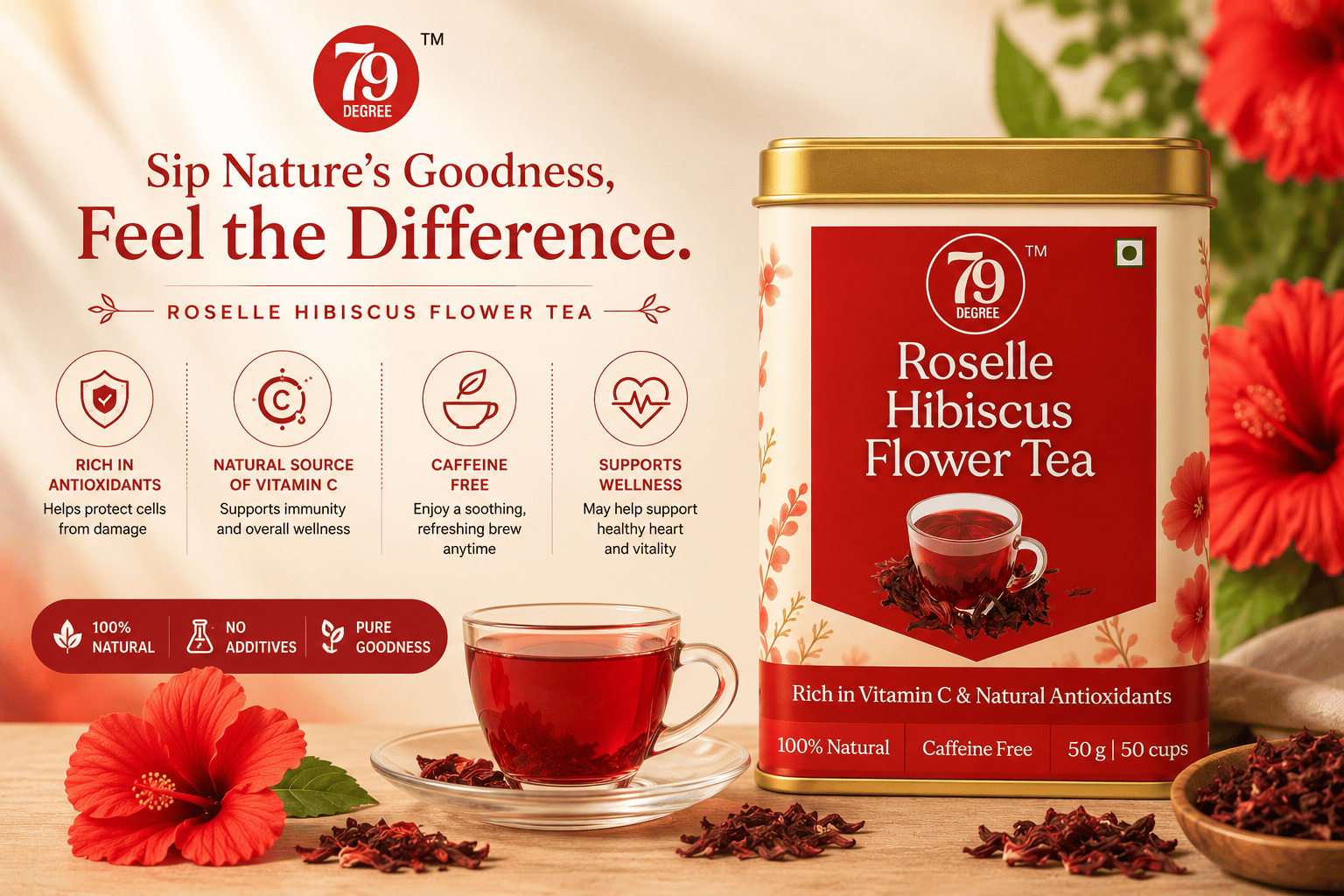
1. Naturally Caffeine-Free
Roselle hibiscus tea contains no caffeine, making it suitable for any time of the day. It works well as:
a refreshing daytime beverage
an evening herbal drink
a simple alternative to sugary refreshments
a refreshing daytime beverage
an evening herbal drink
a simple alternative to sugary refreshments
2. Rich in Antioxidants
The deep crimson color of roselle comes from anthocyanins, which are known for their antioxidant properties. These compounds help the body manage oxidative stress caused by everyday lifestyle and environmental factors.
3. Supports Hydration Naturally
One of the most enjoyable qualities of roselle tea is its naturally refreshing taste. Its light tanginess makes it easier to drink regularly, helping support:
daily hydration habits
reduced dependence on flavored beverages
more consistent fluid intake
4. Traditionally Associated with Cardiovascular Wellness
Roselle has been used across different cultures in traditional wellness practices, often linked to heart health and overall balance. This is mainly connected to its natural polyphenols and organic acids, although scientific research in this area is still developing.
5. Light, Refreshing & Easy to Include
Roselle hibiscus tea is naturally:
crisp and clean in taste
refreshing without heaviness
suitable for regular use
Its versatility also makes it enjoyable in both hot and cold preparations.
🔬 A Simple Scientific Perspective
Roselle hibiscus tea has been studied for its naturally occurring compounds, although research is still evolving. Studies referenced in the Journal of Nutrition and similar publications highlight:
Some studies also explore roselle’s role in supporting blood pressure and metabolism, though findings are not conclusive.
👉 Roselle hibiscus tea is best understood as a supportive herbal beverage, not a medical treatment.
🌺 Taste & Flavor Profile
Roselle hibiscus tea has a naturally distinctive flavor.
Flavor characteristics:
tangy and slightly tart
crisp and refreshing
light with a clean finish
Its naturally vibrant profile makes it suitable for:
hot herbal tea
iced infusions
wellness drinks
☕ How to Brew Roselle Hibiscus Tea
Hot Brew
For a balanced and consistent cup:
Use 1.5–2 g of dried roselle calyces
Add 150–180 ml hot water (90–95°C)
Steep for 3–5 minutes
Strain and serve
The result is a bright, tangy infusion with a clean finish.
Cold Brew (For a Smoother Taste)
Add 1.5–2 g of calyces to 150–180 ml water
Refrigerate for 6–8 hours
Strain and enjoy chilled
Add 1.5–2 g of calyces to 150–180 ml water
Refrigerate for 6–8 hours
Strain and enjoy chilled
This method creates a smoother flavor with softer acidity. Optional: Add honey or lemon based on preference.
🌿 Why Calyx Quality Matters
The quality of roselle tea depends heavily on how the calyx is processed.
Many products use:
broken pieces
powdered forms
or blended ingredients
This can affect:
flavor clarity
natural balance
overall brewing experience
Whole calyces, on the other hand:
retain their natural structure
release flavor more gradually
create a cleaner and more defined infusion
At 79 Degree, the approach is simple—use whole dried roselle calyces with minimal processing, so the tea reflects the ingredient in its most natural form.
🌿 How to Include It in Your Routine
Roselle hibiscus tea fits easily into everyday routines.
🌞 Midday Refresh
A light and flavorful break during active hours.
🌿 After Meals
Its clean, tangy finish works well post-meal.
🌸 Cold Brew for Warm Days
A naturally refreshing option served chilled.
💧 Daily Hydration
Adds flavor and variety without caffeine or added sugar.
⚖️ Who Can Drink Roselle Hibiscus Tea?
Roselle hibiscus tea is suitable for most adults.
Best suited for:
people reducing caffeine
individuals looking for refreshing herbal beverages
those building hydration-focused routines
Use cautiously if:
pregnant or breastfeeding (consult a doctor)
taking medication for blood pressure
managing specific health conditions
❓ FAQs
1. Is hibiscus tea made from petals?
No, it is made from the calyx of the roselle plant, not the petals.
2. What does roselle hibiscus tea taste like?
It has a tangy, slightly tart, and refreshing flavor.
3. Can I drink roselle tea daily?
Yes, in moderate amounts as part of a balanced routine.
4. Is roselle hibiscus tea caffeine-free?
Yes, it is naturally caffeine-free.
5. Can it be consumed cold?
Yes, roselle works especially well as a cold brew or iced herbal infusion.
✨ Final Thoughts
Roselle hibiscus tea is defined by its clarity—of ingredient, flavor, and purpose. No unnecessary blends. No artificial enhancement. Just the naturally vibrant character of the roselle calyx. At 79 Degree, the idea is simple: preserve the ingredient, keep the process minimal, and let the calyx speak for itself. Because when the ingredient already carries depth, color, and character, the best approach is simply not to overcomplicate it.